Why Do I Sometimes Sob Right in the Middle of My Peloton Workout?!

August 21, 2025
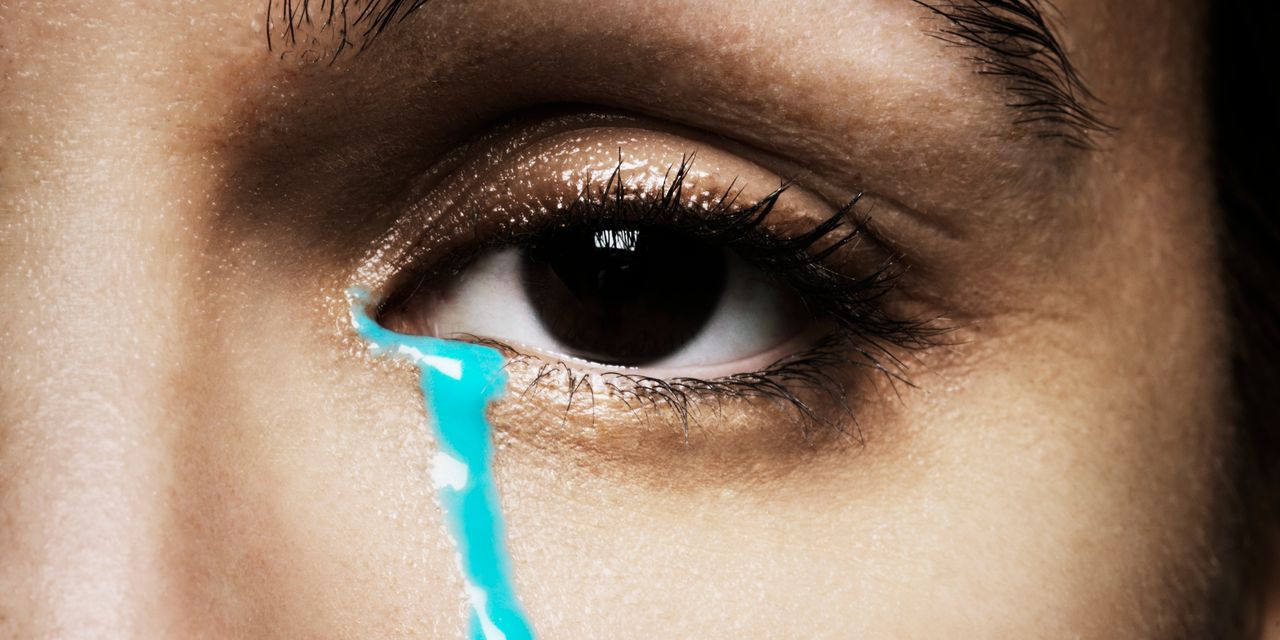
The other day, I was approximately 20 minutes into a 45-minute Gwen Stefani–themed Peloton ride when my chest tightened, throat tingled, and cheeks flushed. Stefani’s 2000 banger “Simple Kind of Life” had been playing and suddenly, out of nowhere, I was full-on sobbing.
This wasn’t the first time I broke down on my black-and-red stationary bike. In fact, I have to confess, it’s a somewhat regular occurrence. And looking at Reddit, it appears I’m in good company. Some folks actually do Peloton workouts specifically for the emotional release and say it’s the only place they’re able to get their tears out. “For me, they’re like 20-minute therapy sessions,” one user wrote.
To understand what’s causing me—and others in my virtual Peloton—to turn on the waterworks mid–faux hill, I called up two psychologists and asked them: Why the hell do my Peloton rides turn into literal sob-fests? Does this mean my workout is bumming me out? Here’s what they said.
Working out takes what you’re already feeling—and cranks it up a few notches.
First, let’s talk about how exercising, in general, can make you feel sappy. According to Bradley Donohue, PhD, a licensed clinical sports psychologist and distinguished professor at the University of Nevada, Las Vegas, exercise activates a string of physiological reactions in your body. It reduces cortisol, the stress hormone, which combats any anxiety or stress you may be harboring. At the same time, it promotes the release of testosterone and endorphins that, together, lift your mood and lower pain. These changing hormones generally put people in a state of positivity, says Dr. Donohue, but your emotional response also depends on your mood going into the workout.
Why? Moderate to vigorous exercise makes your body more sensitive to underlying emotions that may be simmering, he says. “Whatever emotions or thoughts you’re feeling going into your routine can get amplified,” he says. For example, if you were feeling happy going into a ride, you’d likely feel even more blissful after. But if you were feeling blue at the start of class, that emotion can bubble up and intensify.
This resonated with me. The day of my Gwen Stefani ride, for example, I woke up mopey. I had recently traveled with family and was battling a case of the post-vacay blues. I was also beating myself up for going through a slow period with work. But it wasn’t until I was a few hills in that I became fully aware of these feelings and released everything that had been stewing inside of me.
Another important aspect: When you’re zeroed into a workout (and by that I mean not simultaneously emailing and texting while you pedal or pose), the distractions that typically keep you distanced from your emotions, like work, school, and relationships, melt away. You tend to be present and in the moment, which gives you space to tune into your thoughts and emotions, says Dr. Donohue.
And remember: Sadness is far from the only emotion that can cue crying. Having a good time can trigger tears of joy, for example, and accomplishing something difficult, like pro cyclist Christian Vande Velde’s killer race simulations, can make you tear up (as can finally crushing a huge work goal too!).
The coaching, music, and community vibe make Peloton a feels-fest.
Now, there’s clearly something unique about Peloton because I regularly jog, bike, and hike and rarely, if ever, choke up during those activities. On Reddit, people speculate that the empowering music, supportive coaching, and team environment featured in Peloton’s workouts bring out the feels—and they’re onto something.
Let’s start with music, since that’s a biggie. All the different tempos, rhythms, and beats naturally invoke emotions. An upbeat jingle will hype you up, for example, while a melodramatic tune will make you feel more contemplative. Furthermore, we often tie specific emotions to songs based on past experiences. For example, I used to play Stefani’s “Cool” when I was in high school, and when it came on during the ride, memories driving around my hometown popped into my head and I instantly became super nostalgic for a care-free, simpler time in my life. That made me misty-eyed in class!
Additionally, many of the songs played in Peloton’s classes have empowering and emotionally-charged themes—the lyrics encourage you to be strong and overcome challenges. As Dr. Donohue told me, “there may be emotions in the songs and lyrics that people identify with.” The words and messages—which often address themes like love, grief, and empowerment—can push you to explore and process complicated concepts and emotions in your own life. No wonder so many people lost it during Christine D’ecorle’s P!nk ride that was jam-packed with tunes tackling topics like courage, individuality, and vulnerability.
To add fuel to the fire, the instructors are incredibly supportive. During brutal climbs and grueling sprints, they say things like, “I see you” and “get rid of what you don’t need.” Occasionally, the coaches encourage you to be introspective and sit with your emotions—shout out to D’ercole’s reflection rides. Even your coach’s facial expressions, which are heavily featured on Peloton, can impact your mood state (thank you, Robin Arzón, for nailing the smiles).
Jenny Shields, PhD, a clinical health psychologist and founder of Shields Psychology & Consulting, tells SELF that coaches create a safe, trusted space with their positivity and encouragement—a concept called “unconditional positive regard.” Essentially your coach provides complete support, acceptance, and encouragement, regardless of what you’re doing. “That external permission to be vulnerable is often all it takes” to crack open emotionally, she says.
Finally, Peloton—like other group workouts—has a powerful community. The classes are inclusive and welcoming. I get and give little virtual high-fives to other riders and love seeing the profile pictures of the athletes I rank next to. In a weird way, I feel connected to these people, even though they’re nothing more than avatars. Dr. Shields says the feeling of moving in sync with a group taps into your primal need to belong. “That surge of shared energy reminds you that you aren’t alone in your struggle, which can be intensely moving,” she says.
Here’s how to ride that emotional release.
You may be wondering if it’s a red flag to weep during your Peloton sessions. The truth: No, not at all! Dr. Shields recommends leaning into your emotions because “what we resist, persists.” Plus, working out can actually help you process your emotions and problem solve, adds Dr. Donohue.
If you specifically want to use your workout to, ahem, work out your feels, consider choosing a class with a powerful theme or one that’s designed to get you reflecting (such as a pick-me-up ride or flow-and-let-go yoga class on the Peloton platform). Then, before you get on your bike, mat, or tread, set an intention. Ask yourself what you’re letting go of, want to sit with, or explore more deeply. This helps you nail down the emotion you want to tackle and gives your workout a direction and purpose, says Dr. Shields.
When you feel tears welling up in your eyes, don’t fight it. Practice deep breathing by extending your inhales and exhales. By doing so, “you can manually keep your body in a calm state, enabling you to observe the wave of emotion without being swept away by it,” says Dr. Shields. (A bonus: By regulating your breathing, you can avoid getting choked up or gasping, which isn’t going to do you any favors when you’re breathless in the middle of the hardest climb of class.)
Then label the emotion, whether it be nostalgia or regret or gratefulness. Why? This takes away any self-judgment and lets the emotion move through your system more efficiently, says Dr. Shields.
I don’t know about you, but I always feel better after having a good cry on my bike. I don’t see the tears as a bad thing—on the contrary, they’re a much-welcome release and something I’ve come to look forward to every week.
Related:
- Grunting, Screaming, and Sobbing My Way Through ‘The Class’ Is My New Self-Care
- What to Do When You’re Bummed That You Can’t Work Out for a While
- This Peloton Instructor Woke Up With a ‘Huge, Painful Lump’ on His Rib—and Began a New Medical Drama
Get more of SELF’s great service journalism delivered right to your inbox—for free.